Business leaders today are expected to make fast, confident decisions while managing growing volumes of customer, sales, and operational data. Salesforce has long been a system of record, but its real value now comes from how well leaders can turn that data into insight. This is where Salesforce Analytics plays a defining role. It helps leaders see what is happening across the organization, understand why it is happening, and decide what to do next with clarity.
This article explores the most important analytics trends inside Salesforce that every leader should pay attention to, not from a technical perspective, but from a decision-making and business impact point of view.
The Role of Salesforce Analytics in Leadership Decisions
Analytics is no longer limited to analysts or reporting teams. Executives, sales heads, and operations leaders rely on dashboards and insights daily to track performance and adjust strategy. Salesforce brings customer, revenue, and engagement data into one platform, making it easier to connect actions with outcomes.
When analytics is done right, leaders gain visibility into pipeline health, customer behavior, service efficiency, and marketing performance. When it is done poorly, teams lose trust in data and fall back on guesswork. The real role of analytics is to reduce uncertainty and give leaders confidence that decisions are backed by facts, not assumptions.
Salesforce Analytics Trend 1: AI Driven Insights That Reduce Decision Lag
One of the most significant shifts in Salesforce Analytics is the growing use of AI to surface insights automatically. Instead of waiting for reports or asking analysts for explanations, leaders can now receive alerts, explanations, and recommendations based on data patterns.
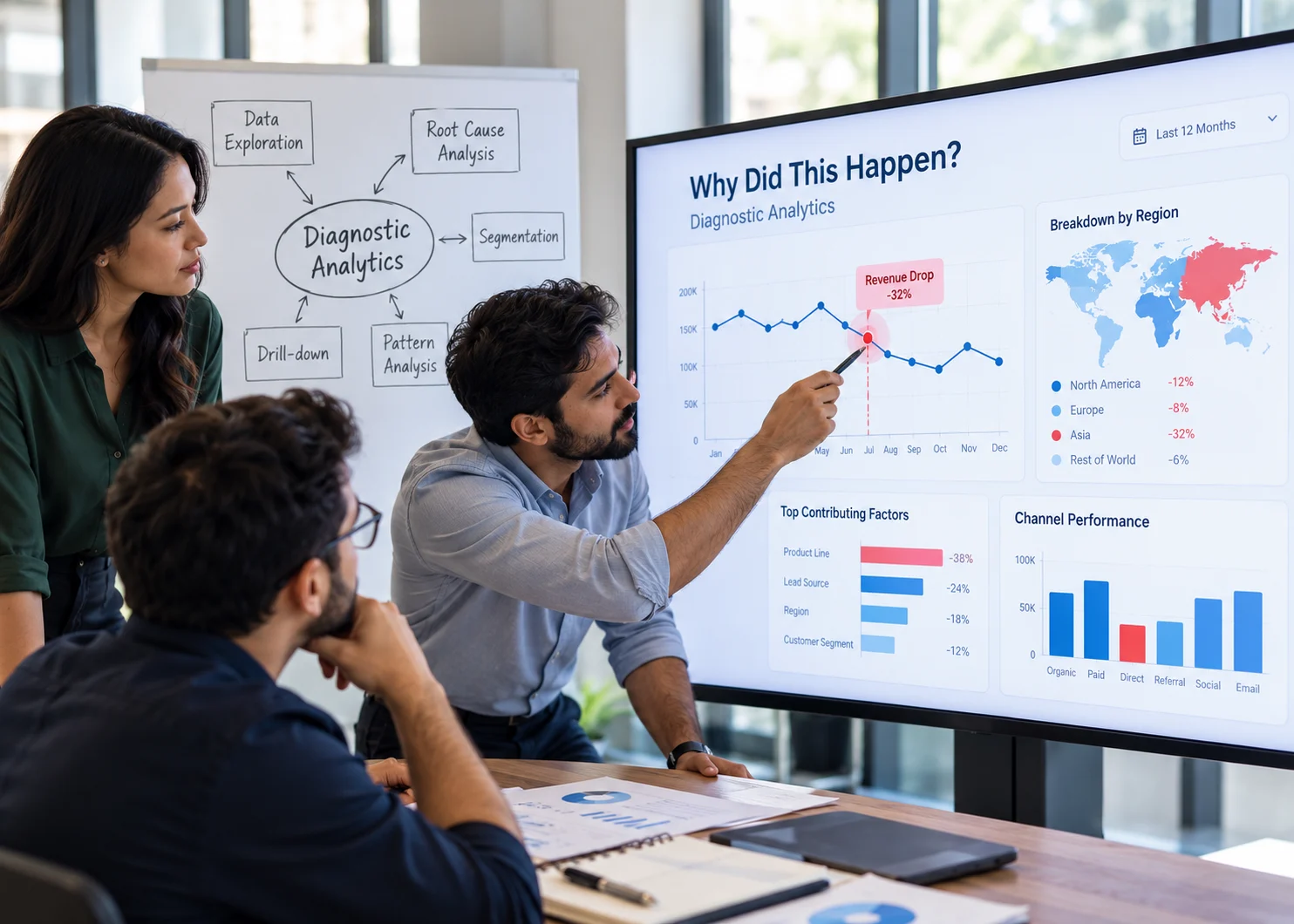
AI driven analytics helps answer questions such as why revenue dipped in a specific region or which deals are most likely to close this quarter. For leaders, this reduces the time between noticing a problem and acting on it. The focus shifts from reviewing data to responding to it, which is critical in competitive markets.
Salesforce Analytics Trend 2: Real Time Dashboards for Faster Business Response
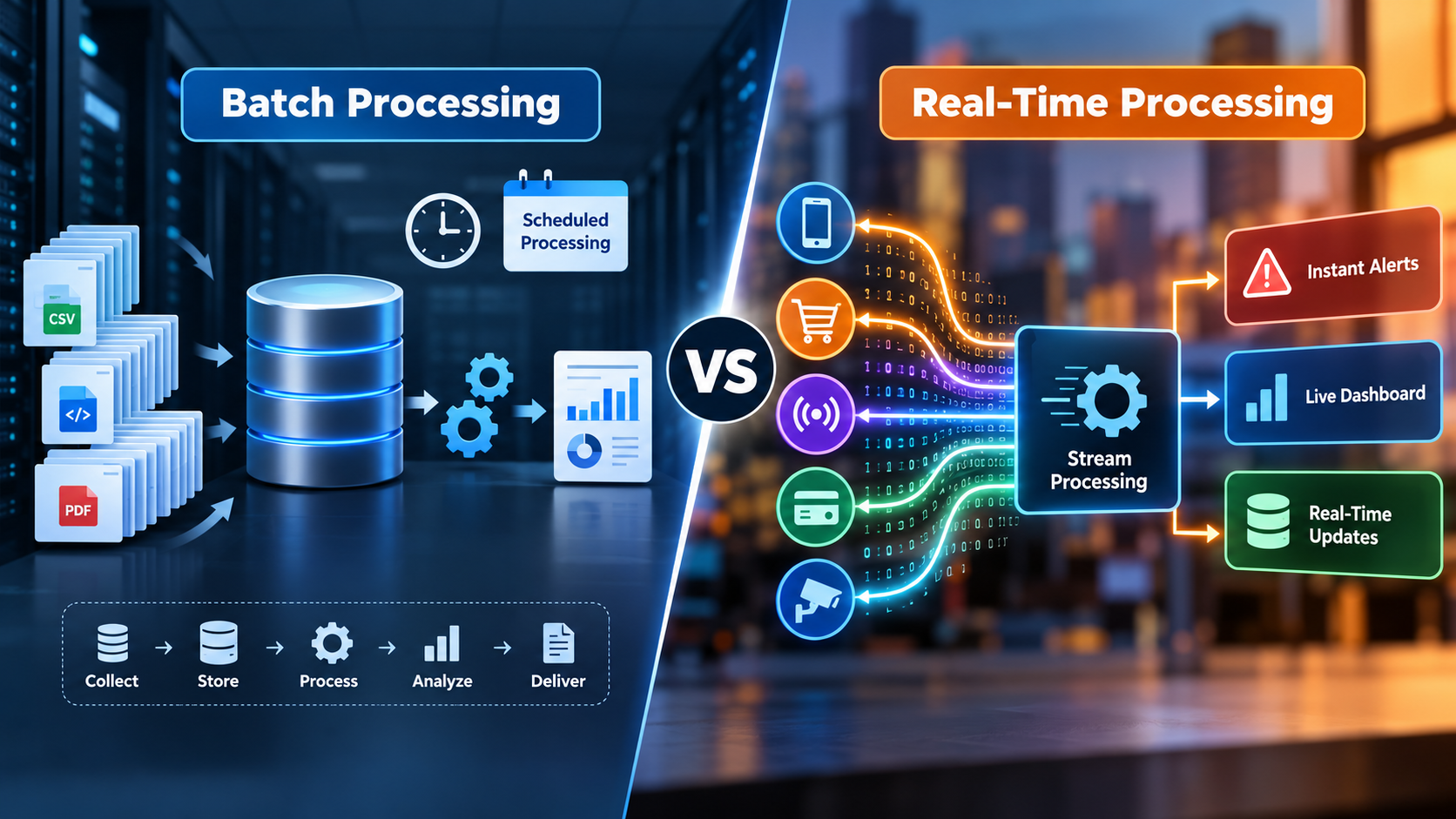
Static reports that update weekly or monthly are no longer enough for fast-moving teams. Real time dashboards have become essential for leaders who need to respond quickly to changes in sales activity, customer support volumes, or campaign performance.
With Salesforce Analytics, real time dashboards allow leaders to monitor key metrics as they happen. This enables faster course correction, whether it is reallocating resources, adjusting sales priorities, or addressing service bottlenecks before they escalate. The value here is not just speed, but relevance. Leaders see what matters right now, not what mattered last month.
Salesforce Analytics Trend 3: Predictive and Prescriptive Analytics for Planning
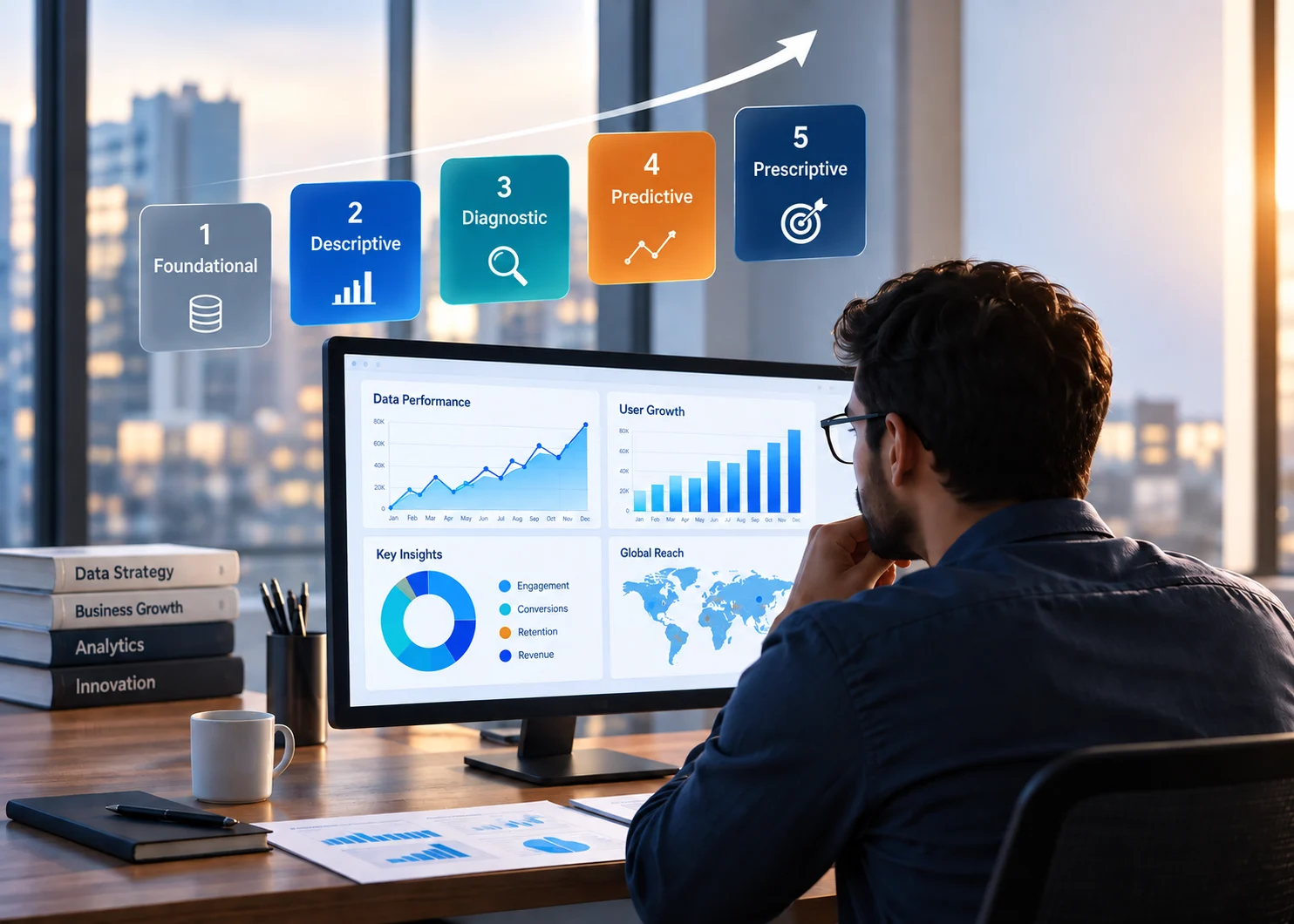
Looking backward only explains part of the story. Predictive and prescriptive analytics help leaders plan for what comes next. Predictive models forecast outcomes such as revenue, churn, or demand, while prescriptive insights suggest actions to improve those outcomes.
In Salesforce Analytics, this trend supports better forecasting, smarter pipeline management, and more accurate budgeting. Leaders can assess different scenarios and understand the potential impact of decisions before committing resources. This reduces risk and improves long-term planning.
Embedded Analytics Inside Daily Salesforce Workflows
Analytics delivers the most value when it is part of everyday work. Embedded analytics brings insights directly into Salesforce workflows, such as opportunity pages, service cases, or account records.
Instead of switching between reports and systems, users see relevant insights where decisions are made. For leaders, this improves adoption across teams and ensures decisions are informed by context. Analytics becomes a natural part of how teams operate, not a separate task that gets ignored under pressure.
Data Quality and Governance as a Leadership Responsibility
No analytics initiative succeeds without reliable data. Duplicate records, missing fields, and inconsistent definitions undermine trust and lead to poor decisions. While data teams manage technical details, leaders set the tone for data quality and governance.
Strong governance ensures that Salesforce Analytics reflects a single source of truth. Leaders who prioritize data standards, accountability, and ownership create an environment where analytics can be trusted. This trust is essential for widespread adoption and meaningful insights.
How Salesforce Analytics Supports Cross Team Alignment
One of the less discussed benefits of analytics is alignment. Shared dashboards and metrics help teams understand how their work impacts broader goals. Sales, marketing, service, and finance can all operate from the same set of numbers.
With consistent use of Salesforce analytics, leaders can align teams around outcomes instead of opinions. This reduces friction, improves collaboration, and keeps everyone focused on what drives results. Alignment is not just cultural, it is analytical.
What Leaders Should Ask Before Scaling Salesforce Analytics
Before expanding analytics initiatives, leaders should pause and ask key questions. Are teams clear on which metrics matter most? Is data quality strong enough to support advanced insights? Do users trust and understand the dashboards they see?
Scaling analytics without answering these questions often leads to low adoption and wasted investment. Leaders who take a thoughtful approach ensure that analytics growth supports real business needs rather than adding complexity.
Turning Salesforce Analytics Into a Competitive Advantage
When analytics maturity increases, it stops being a reporting function and becomes a competitive asset. Leaders gain early visibility into risks and opportunities, allowing them to move ahead of competitors who react too late.
At this stage, Salesforce Analytics supports strategic decisions such as market expansion, customer segmentation, and pricing optimization. The organizations that succeed are those where leadership actively engages with analytics and uses it to guide long-term strategy.
Ready to Strengthen Your Salesforce Analytics Strategy?
If you want to turn insights into consistent business results, expert guidance makes a difference. Explore how Salesforce CRM Analytics Consulting by OzaIntel can help you design, scale, and optimize analytics that leaders trust and teams actually use.
Conclusion
Analytics inside Salesforce has evolved from basic reporting to a core leadership capability. The trends shaping Salesforce analytics today focus on speed, intelligence, and usability. Leaders who understand and adopt these trends gain clearer visibility, better alignment, and stronger decision-making across their organizations.
The real advantage comes from treating analytics as a leadership tool, not a technical add-on. When used thoughtfully, it becomes one of the most powerful assets a business can have.