Customer relationship management systems were originally built to store contact details, track deals, and log activities. Over time, they became central to sales, marketing, and support operations. Today, many businesses face a new challenge: they have more customer data than they can realistically analyze or act on.
This is where integrating AI with CRM platforms makes a practical difference. AI does not replace CRM systems. It makes them more useful by turning raw data into insights, recommendations, and actions that teams can rely on. For companies evaluating CRM modernization or advanced analytics, understanding these benefits helps clarify what real value AI can deliver.
How AI Changes the Role of CRM Platforms
Traditional CRM platforms depend heavily on manual updates and retrospective reporting. Users log calls, update deal stages, and review reports after results are already visible. AI adds an intelligence layer that works continuously in the background.
Instead of only showing what happened, AI-powered CRM systems explain why it happened and what is likely to happen next. They analyze behavior patterns, spot trends across thousands of interactions, and surface insights that would otherwise stay hidden. This shift changes CRM from a tracking tool into a decision support system.
Many modern CRM ecosystems, including Salesforce, are adopting AI capabilities to improve decision-making and automation. Companies planning CRM upgrades often review leading Salesforce development companies before starting implementation.
Smarter Lead Scoring and Sales Prioritization Through Integrating AI With CRM Platforms
Sales teams often struggle with prioritization. When every lead looks promising, time and effort get spread too thin. By integrating AI with CRM platforms, lead scoring becomes more accurate and dynamic.
AI evaluates signals such as email engagement, website behavior, deal velocity, and historical conversion data. Instead of static scores, leads are ranked based on real likelihood to convert. Sales representatives can focus their time on prospects that matter most, improving close rates without increasing workload.
Personalized Customer Interactions at Scale
Personalization is expected, but manual personalization does not scale. AI helps CRM platforms tailor interactions without relying on endless segmentation rules.
Based on customer history and behavior, AI can recommend:
- The right message for the right moment
- Relevant product or service suggestions
- Timing that aligns with customer intent
This leads to more meaningful conversations and reduces the risk of generic outreach that feels disconnected from customer needs.
Accurate Sales Forecasting and Revenue Insights
Forecasting is one of the most difficult areas for growing organizations. Manual forecasts often rely on optimism rather than evidence. AI improves forecasting accuracy by analyzing deal patterns, past performance, and external variables that affect outcomes.
With AI-driven forecasting, leadership teams gain:
- More reliable revenue projections
- Early warnings when deals stall
- Clear visibility into pipeline health
These insights support better planning and reduce last-minute surprises.
Automated Data Entry and Better CRM Data Quality
Poor data quality is one of the most common reasons CRM initiatives fail. When data entry feels like extra work, users skip it. AI reduces this burden by automating data capture from emails, meetings, and customer interactions.
Benefits include:
- Fewer missing or outdated records
- Reduced duplicate entries
- More consistent reporting across teams
Cleaner data improves trust in the CRM and increases adoption across the organization.
Faster Decision Making With Real-Time Insights
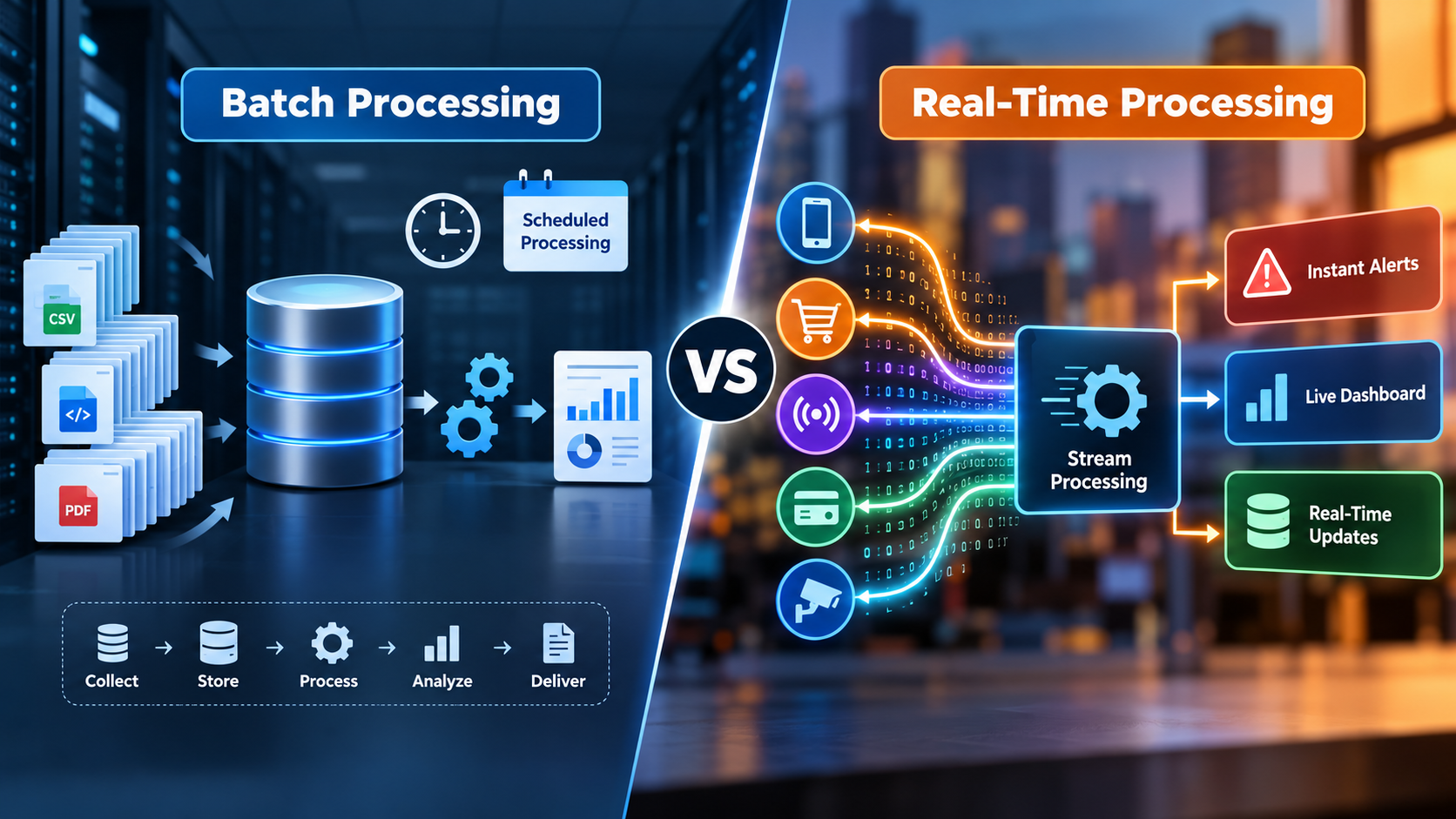
Most CRM reports show what has already happened. AI shifts the focus to what is happening now. By continuously analyzing incoming data, AI highlights changes as they occur.
Examples include:
- Deals at risk due to declining engagement
- Sudden increases in customer activity
- Opportunities for upsell or renewal
This allows teams to respond quickly instead of reacting after the fact.
Better Customer Retention and Churn Prediction
Keeping existing customers is often more cost-effective than acquiring new ones. AI helps CRM platforms identify early signs of churn by analyzing usage trends, support interactions, and engagement levels.
When risks are identified early, teams can take proactive steps such as targeted outreach or service improvements. This leads to stronger customer relationships and more predictable retention outcomes.
Improved Productivity Across Sales and Support Teams
Repetitive tasks consume a large portion of the workday. AI reduces this burden by automating routine actions and offering intelligent suggestions.
Productivity gains often come from:
- Suggested follow-ups and next steps
- Automated task creation
- Faster access to relevant customer context
As a result, teams spend more time building relationships and less time managing systems.
Consistent Customer Experience Across Channels
Customers interact with businesses through multiple channels, including email, phone, chat, and self-service portals. AI helps CRM platforms maintain consistency across these touchpoints.
By unifying customer data and context, AI ensures that every interaction builds on previous ones. This reduces repetition, improves service quality, and creates a smoother experience regardless of channel.
Stronger Reporting and Business Intelligence
Standard CRM reports often require interpretation and manual follow up. AI enhances reporting by highlighting trends, correlations, and outliers automatically.
Executives and managers benefit from:
- Clear insights instead of raw data tables
- Reports that explain performance drivers
- Faster access to strategic information
This strengthens decision-making at every level of the organization.
Scalable Growth Enabled by Integrating AI With CRM Platforms
As organizations grow, CRM complexity increases. Processes that worked for a small team often break under scale. Integrating AI with CRM platforms allows systems to adapt without constant redesign.
AI models improve as more data becomes available. This means workflows become smarter over time, onboarding new users is easier, and the CRM evolves alongside the business rather than holding it back.
Choosing the Right Approach to AI CRM Integration
Technology alone does not guarantee results. Successful AI CRM initiatives depend on data quality, clear goals, and proper implementation. This is where experienced guidance becomes important.
Businesses looking to apply AI effectively within Salesforce environments often rely on OzaIntel for strategic and technical expertise. TheirSalesforce CRM Analytics Services help organizations turn CRM data into actionable insights while aligning AI capabilities with real business objectives.
Conclusion
CRM platforms already hold valuable customer information. The challenge lies in using that data effectively. By integrating AI with CRM platforms, organizations move beyond record keeping and toward insight-driven decision making.
From smarter sales prioritization to improved retention and forecasting, the benefits are tangible and measurable. For businesses serious about growth, AI enabled CRM systems are no longer optional. They are a logical next step toward more informed, efficient, and customer focused operations.