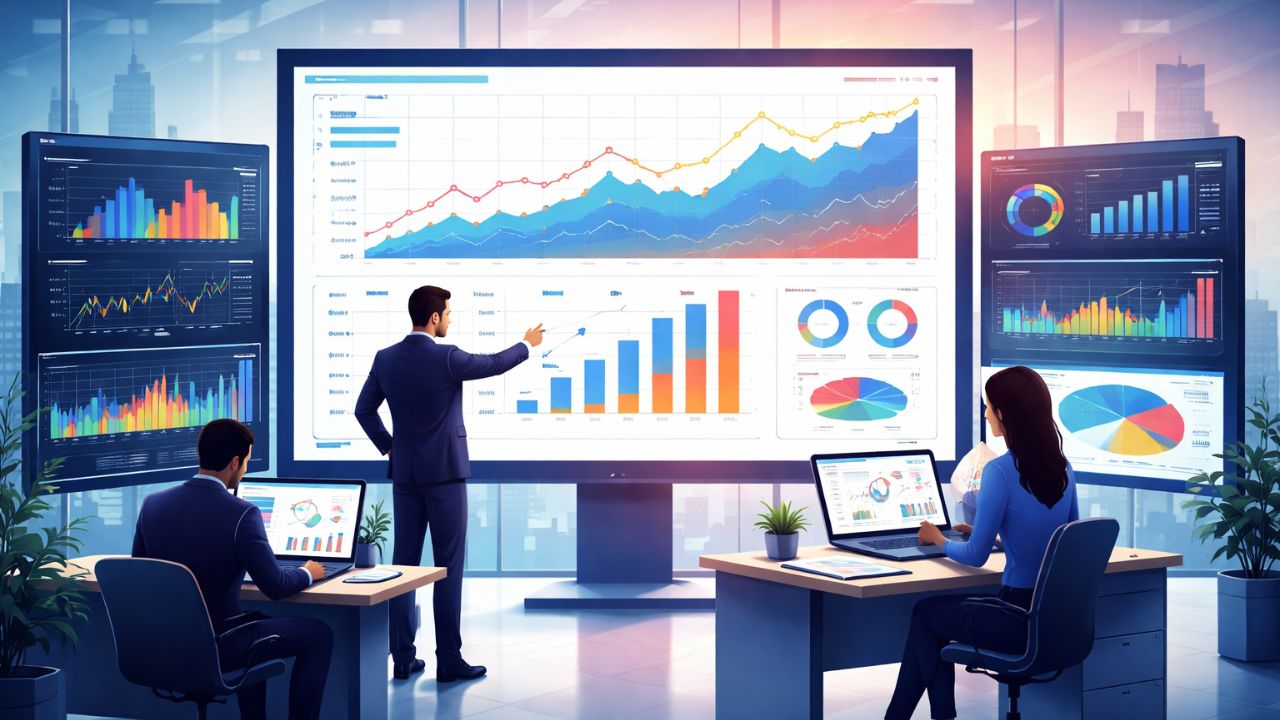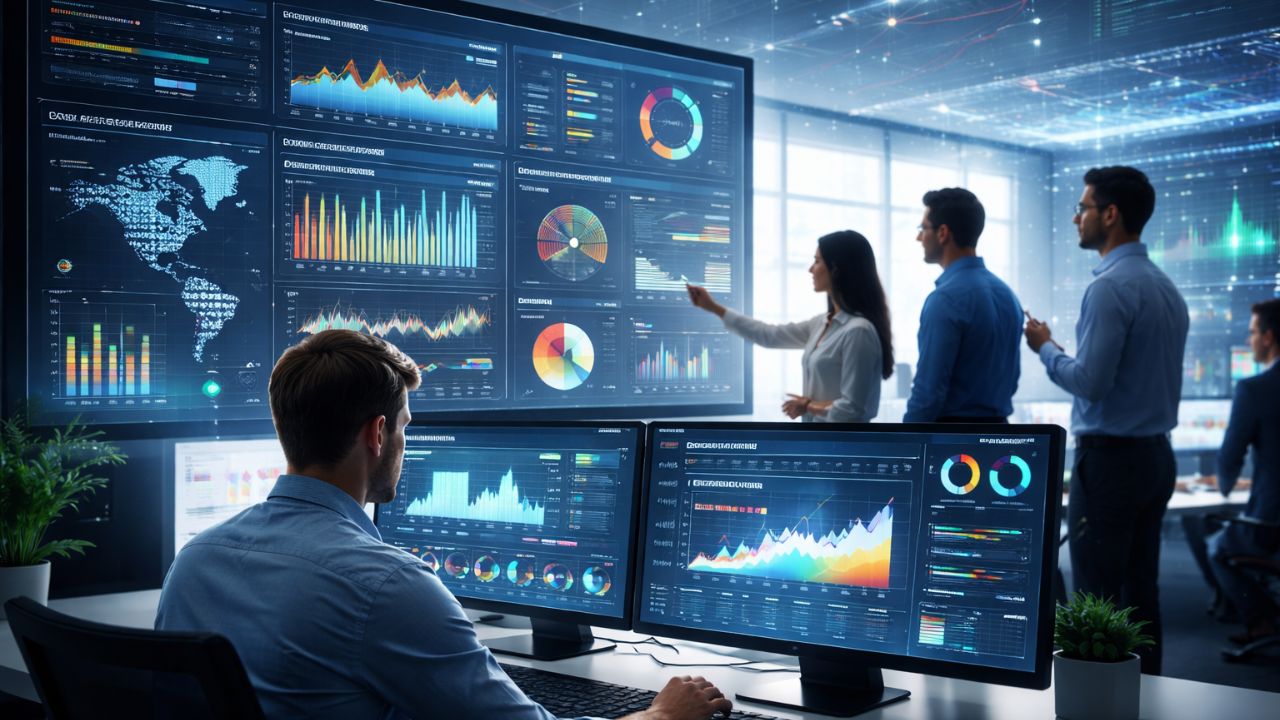
Salesforce Analytics for Retail vs B2B Businesses is often treated as a single conversation, but businesses quickly learn that the same reports and dashboards rarely work for both. Retail and B2B organizations operate with different sales motions, customer behaviors, and decision timelines. That difference shapes how analytics should be structured, measured, and applied.
Salesforce industry research has consistently shown that companies aligning analytics with their actual sales process make faster decisions and see better outcomes from CRM investments. This article is written for retail leaders, B2B sales heads, and CRM decision-makers who want analytics that supports real business choices, not just surface-level reporting.
Why retail and B2B businesses expect different results from analytics
Retail and B2B companies may use the same CRM platform, but they measure success very differently.
Retail businesses depend on volume, speed, and repeat purchases. Sales cycles are short, and decisions often need to be made in real time. Analytics in this environment is expected to surface trends quickly and highlight issues before they impact revenue.
B2B businesses focus on fewer deals, longer sales cycles, and higher contract values. Decisions are more strategic and often tied to forecasting, pipeline confidence, and long-term planning. Analytics here must support leadership discussions and revenue predictability.
These differences explain why a dashboard that works perfectly for a retail chain can fail completely in a B2B sales organization.
Data foundations that drive analytics strategies
Analytics effectiveness begins with the type of data a business depends on most.
Retail data focus
Retail analytics is built around transactional and operational data, including:
- In-store and online sales transactions
- Customer purchase behavior and frequency
- Inventory levels and fulfillment status
- Promotions, discounts, and seasonal patterns
This data supports quick operational decisions and daily performance tracking.
B2B data focus
B2B analytics is driven by relationship and pipeline data such as:
- Leads, accounts, and contact hierarchies
- Opportunity stages and deal progression
- Contract values, renewals, and expansions
- Sales activity and engagement history
This data supports forecasting, pipeline reviews, and long-range planning.
Salesforce Analytics for Retail vs B2B Businesses in daily operations
Salesforce Analytics for Retail vs B2B Businesses becomes most visible in how teams use dashboards during routine operations.
Retail managers typically rely on real-time dashboards to track performance by store or channel. If sales drop or inventory runs low, action must be taken immediately. Reports are designed for fast scanning and quick response.
B2B leaders use analytics differently. Weekly and monthly reviews focus on deal health, forecast accuracy, and pipeline risk. A single insight, such as declining win rates at a specific stage, can influence pricing, hiring, or sales strategy.
The platform may be the same, but the questions being asked are not.
Performance metrics that guide retail decisions
Retail analytics centers on metrics that support efficiency and revenue optimization:
- Revenue by store, region, or channel
- Repeat purchase rates and customer lifetime value
- Inventory turnover and stock availability
- Promotion and discount performance
These metrics help teams answer immediate questions and take fast corrective action.
Performance metrics that guide B2B decisions
B2B analytics prioritizes metrics that improve predictability and strategic clarity:
- Pipeline coverage and forecast accuracy
- Win rates by opportunity stage
- Average deal size and deal velocity
- Sales cycle length and conversion trends
These insights help leadership plan growth and manage risk.
The difference is intent. Retail metrics drive immediate execution. B2B metrics support long-term decision-making.
How Salesforce Einstein supports retail and B2B analytics goals
Salesforce Einstein supports different objectives depending on the business model.
In retail environments, Einstein is often used for demand forecasting, identifying buying patterns, and supporting personalized recommendations. These insights help retailers reduce stock issues and improve customer engagement.
In B2B organizations, Einstein is commonly applied to lead prioritization, opportunity scoring, and forecast insights. The goal is to focus effort on the deals most likely to close and identify risk early in the sales cycle.
In both cases, AI supports better judgment. It enhances human decision-making rather than replacing it.
Common analytics mistakes across retail and B2B organizations
Even with strong tools in place, many businesses fail to extract value from analytics. Common issues include:
- Applying the same dashboards across retail and B2B teams
- Relying on default reports without adapting them
- Allowing data quality issues to erode trust
- Measuring activity instead of business outcomes
These mistakes often lead to reports that look impressive but fail to influence real decisions.
Aligning analytics with how your business actually sells
Effective analytics starts with understanding how revenue is generated. Retail organizations need insights that support speed, volume, and operational execution. B2B organizations need analytics that reflect pipeline flow, deal complexity, and long-term growth.
This is where tailored approaches matter. Working with teams that specialize in Salesforce CRM analytics consulting services helps ensure dashboards, KPIs, and insights are aligned with the realities of the business rather than generic assumptions.
When custom Salesforce analytics becomes necessary
Standard reports often work in early stages. As businesses grow, complexity increases. Clear signals that custom analytics is needed include:
- Leadership questions that dashboards cannot answer
- Multiple sales channels or regions with different behaviors
- Longer sales cycles or more complex deal structures
- Greater reliance on forecasting for budgeting and hiring
Customization allows analytics to evolve alongside the organization.
Conclusion
The difference between retail and B2B analytics is not the technology. It is the business model behind it. Retail organizations need fast, operational insights. B2B organizations need clarity, predictability, and strategic visibility. Salesforce Analytics for Retail vs B2B Businesses delivers value only when these differences are built into the reporting strategy from the beginning. OzaIntel works with organizations to design Salesforce analytics that reflect how they sell, how they grow, and how decisions are made, turning analytics into a practical business advantage rather than just another dashboard.
FAQs
The difference comes down to how sales happen. Retail analytics focuses on volume, speed, and daily performance, while B2B analytics focuses on pipeline health, deal value, and long-term revenue planning.
In most cases, no. Retail and B2B teams track different KPIs and make decisions at different speeds, so shared dashboards often fail to support both effectively.
Retail teams typically track sales by channel, repeat purchases, inventory turnover, customer lifetime value, and promotion performance to support fast operational decisions.
B2B analytics usually focuses on pipeline coverage, win rates, average deal size, sales cycle length, and forecast accuracy.
Retail teams use Einstein for demand forecasting and personalization, while B2B teams rely on it for lead scoring, opportunity insights, and identifying deal risk.
Yes. Smaller businesses often need simpler, more focused dashboards, while growing or complex organizations require deeper customization based on sales structure.
Customization becomes important when standard reports stop answering leadership questions or when forecasting and multi-channel visibility become critical.
Yes. Analytics is especially valuable for long sales cycles because it highlights bottlenecks, tracks deal progress, and improves forecast confidence.