Understanding customers has always been the heart of business growth. But customer expectations have changed. People interact with brands across many channels, switch preferences quickly, and expect faster support. This shift has made it harder for leaders to rely only on traditional reports or simple analytics tools. Today, decisions must be based on deeper insights, faster patterns, and clearer predictions.
This is where AI-powered customer intelligence is becoming a strong advantage. It helps companies read signals from customer behavior, learn patterns, and take action with more confidence. This article explains what leaders need to know, how it works, the real benefits, common mistakes, and how to start using it without confusion.
What Is AI-Powered Customer Intelligence?
Customer intelligence means collecting data from different touchpoints and turning it into useful insights. These touchpoints include sales conversations, website visits, product usage, support tickets, reviews, and even social comments.
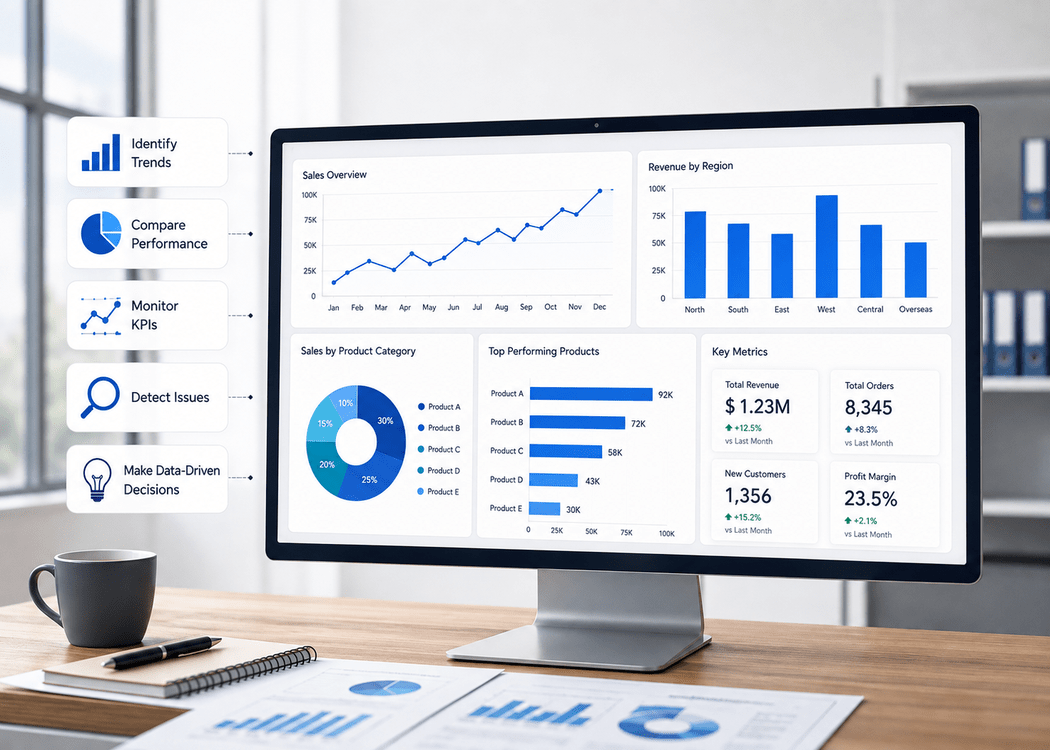
Traditional analytics can only show what happened in the past. AI-powered customer intelligence goes further. It connects data from many systems, identifies patterns quickly, and predicts what customers may need next. It also helps teams understand emotions behind feedback, common problems across channels, and early signals of customer loss.
Simply put, it helps leaders make decisions based on clear evidence, not assumptions.
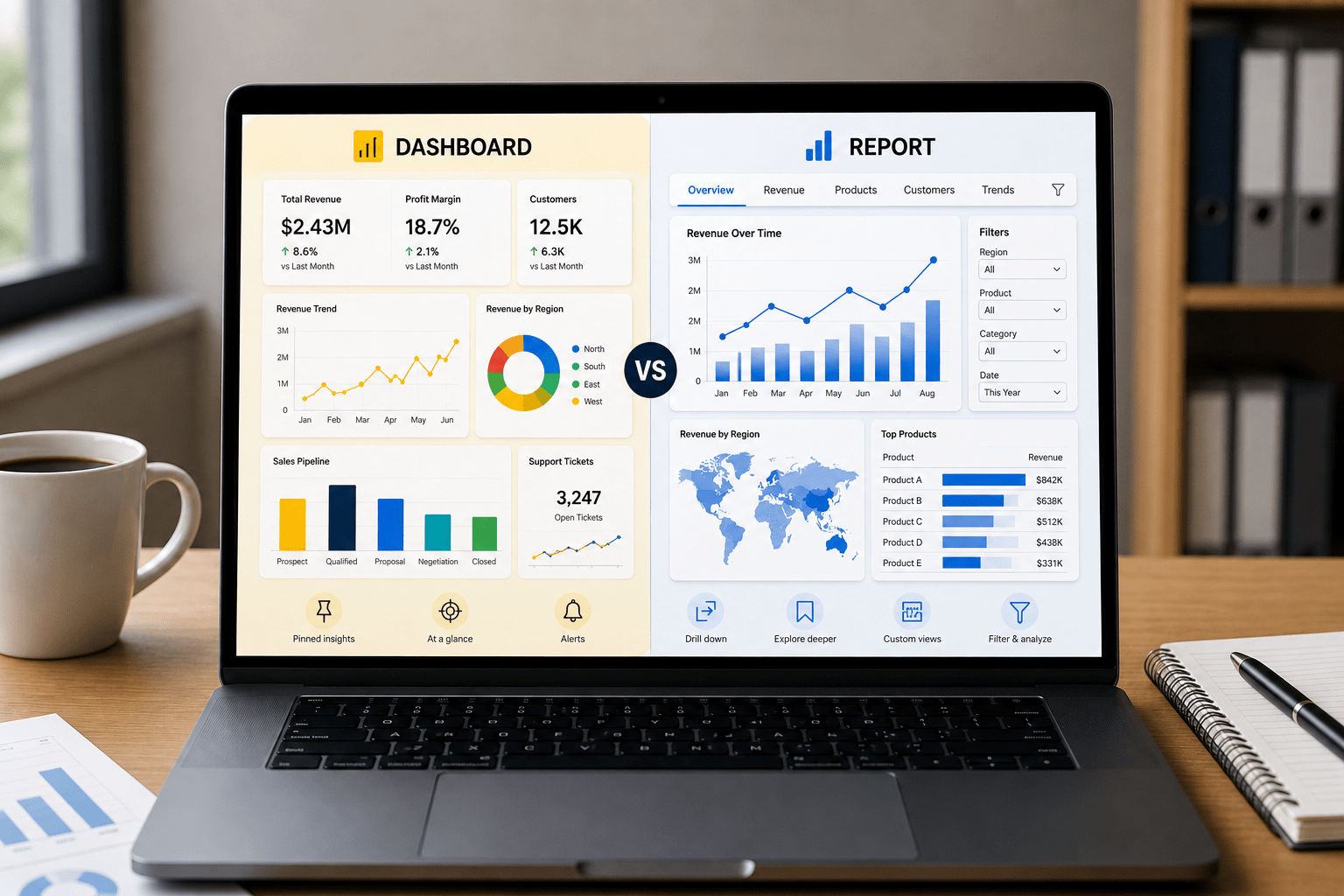
Read Also: Top 3 Benefits Of Integrating CRM Analytics Into Business Workflows
Why It Matters for Business Leaders
Customers expect more personal experiences
People want brands to understand their needs without repeating the same information. They expect relevant offers, helpful support, and smoother journeys. Customer intelligence helps companies build these experiences at scale.
The amount of customer data has increased a lot
Companies receive thousands of signals every day: clicks, chats, purchases, complaints, and more. Teams can’t study all this manually. Customer intelligence tools read and analyze these signals in real time so every department can react faster.
It creates a strong competitive advantage
Businesses that understand customers better will always stay ahead. They can reduce churn, increase lifetime value, and improve satisfaction. They also spend less on campaigns because targeting becomes more accurate. For leaders, this means better decisions and clearer business direction.
The Core Pillars of Customer Intelligence
To get the best results, leaders need to understand the main building blocks that make customer intelligence strong and reliable.
1. Unified Customer Data
Many businesses keep customer information in separate tools CRM, support systems, marketing platforms, and product logs. This makes it hard to get the full picture.
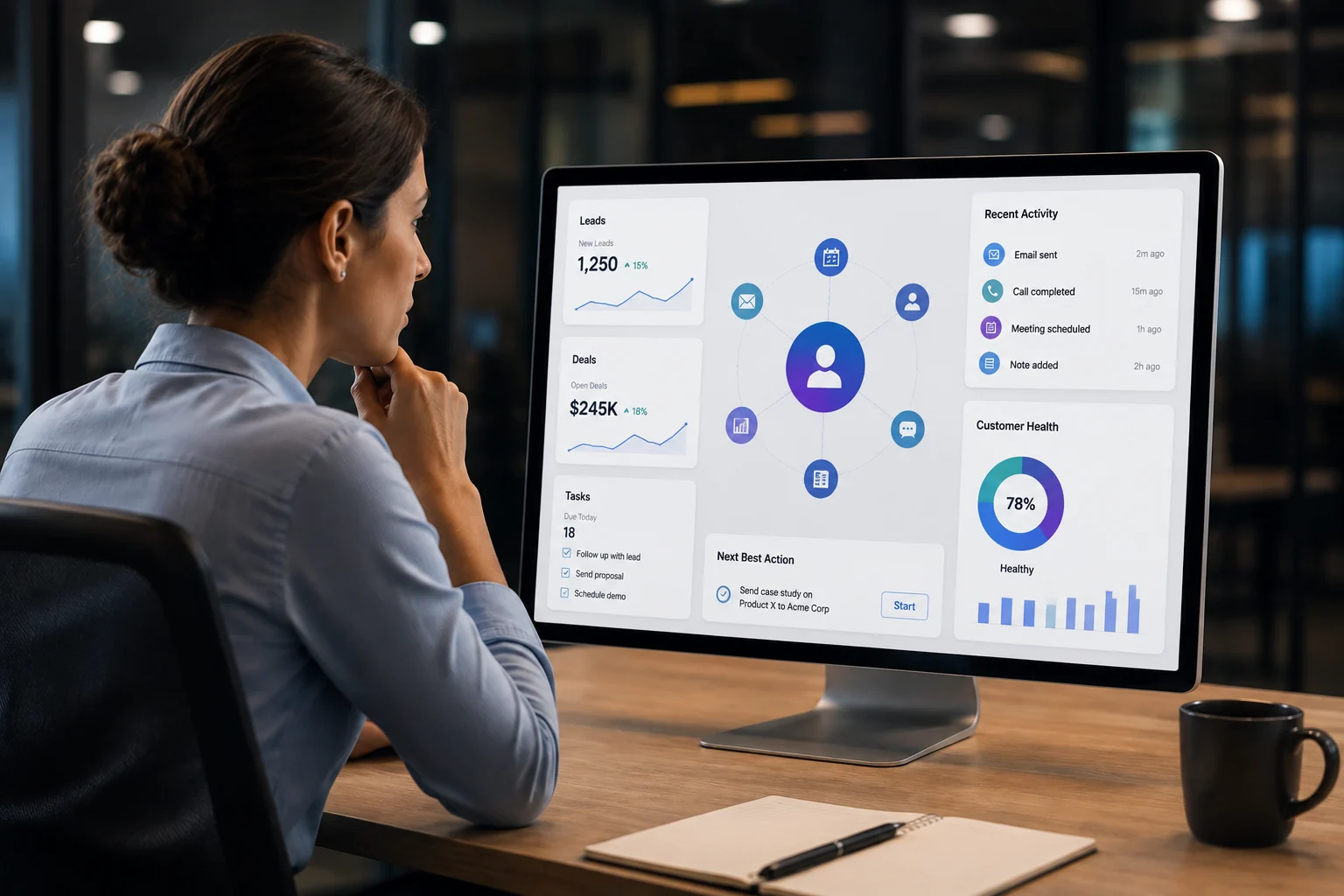
Customer intelligence unifies this data so leaders can see the entire customer journey in one place. This reduces confusion and improves decision-making.
2. Predictive Insights
Predictive insights highlight what customers are likely to do next whether they may leave, buy again, request support, or slow down usage. This helps leaders act early instead of waiting for problems to show up.
3. Personalization Across Channels
With a complete view of customers, companies can deliver personalized messages, offers, and product experiences. These adjustments may seem small, but they build trust and increase engagement. Examples include personalized product recommendations or tailored service responses.
4. Sentiment and Emotion Analysis
Customer feedback holds valuable information, but going through thousands of messages is slow and difficult. Customer intelligence can read reviews, chats, and comments, then identify customer emotions, frustration, satisfaction, confusion, or excitement.
This helps companies find hidden issues before they turn into bigger problems.
5. Automated Decision Support
Instead of only reporting insights, customer intelligence can suggest actions such as:
- which customers need attention,
- which leads are most likely to buy,
- what improvements can reduce friction.
This supports teams across marketing, sales, and support.
High-Impact Use Cases Leaders Should Focus On
1. Predicting and Reducing Customer Churn
Churn prediction is one of the most valuable uses of customer intelligence. It spots early warning signs like slower product usage, repeated complaints, or long response times. Leaders can then offer better support, personalized messages, or incentives at the right moment.
2. Improving Customer Experience Across Touchpoints
Customer intelligence helps support teams understand intent, urgency, and customer status. It can highlight what customers are struggling with and suggest faster solutions. This reduces waiting time and improves satisfaction.
3. Strengthening Marketing and Sales Strategies
Customer intelligence reveals which campaigns truly work, which segments respond best, and what messages drive action. It also helps sales teams focus on high-quality leads rather than wasting time on low-interest prospects.
4. Making Better Product Decisions
User behavior patterns and feedback highlight what customers love and what frustrates them. This is extremely helpful for product teams. It reduces guesswork and allows companies to invest time and resources in features that have real impact.
5. Smarter Pricing and Offer Adjustments
By studying behavior and demand, customer intelligence can help companies create more effective promotions and pricing strategies. This increases revenue without harming customer trust.
Common Mistakes Business Leaders Should Avoid
1. Expecting Quick Wins Without Clear Goals
Customer intelligence works best when leaders define clear targets such as reducing churn, increasing repeat purchases, or improving support response time. Without goals, insights lose value.
2. Ignoring Data Quality
Poor or incomplete data leads to poor insights. Data should be cleaned, updated, and well-structured. Companies must follow strong data governance practices to maintain accuracy.
3. Not Preparing Teams for Change
Introducing new insights means teams must adjust how they work. Without training and guidance, staff may ignore valuable findings. Leaders should invest time in helping teams understand how to use insights in daily operations.
4. Choosing Tools Without Integration Capabilities
Tools that cannot connect with CRM, marketing systems, or support platforms lead to incomplete insights. Integration is essential for a unified customer view.
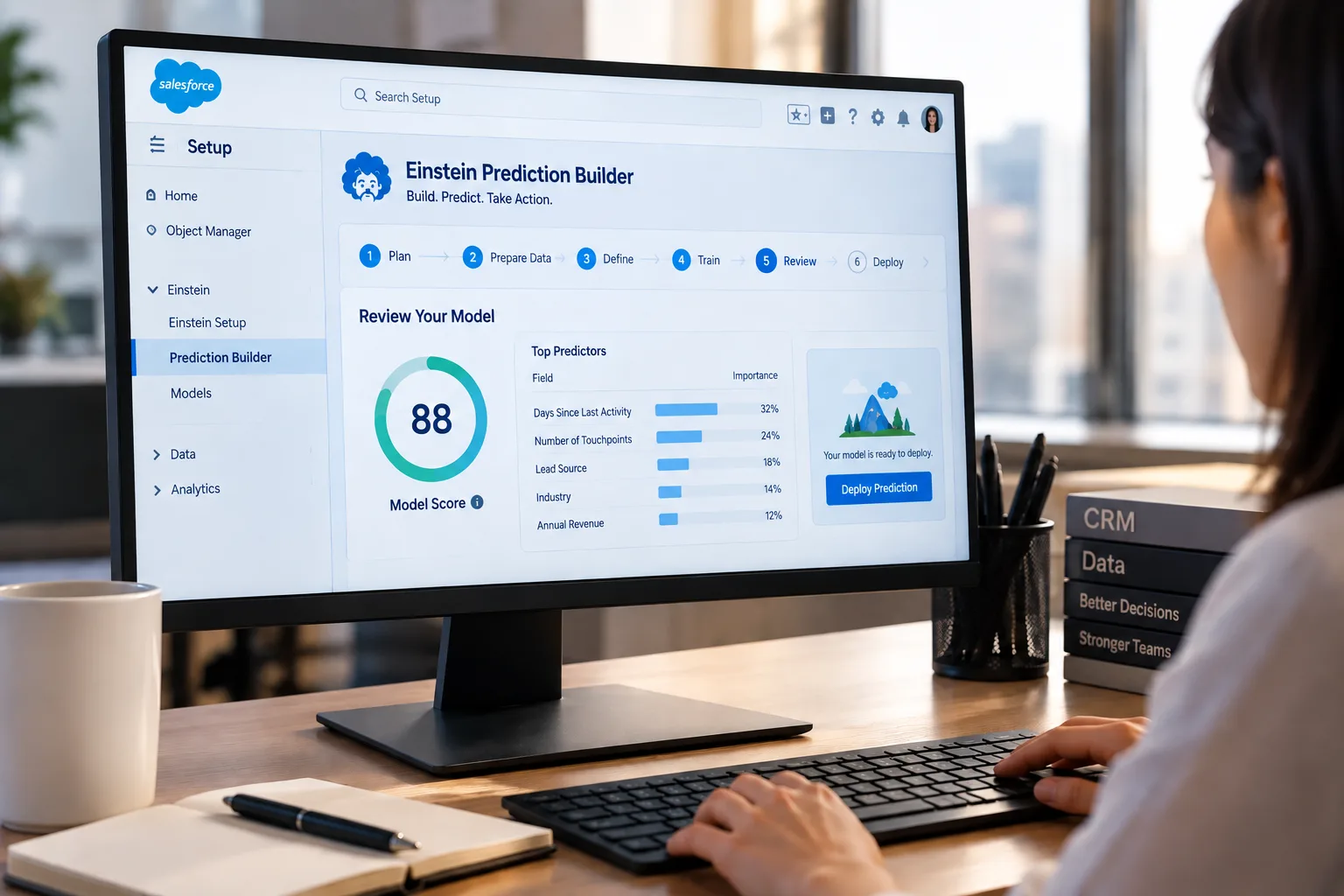
Read Also: How to Build a Predictive Sales Model Using Salesforce Einstein Discovery
Key Risks Leaders Should Know
Bias and Inaccurate Predictions
If historical data contains errors or gaps, insights may become unreliable. Regular reviews and monitoring are essential.
Privacy and Compliance Responsibilities
Customer data must be handled with care. Businesses must follow local and global privacy rules and clearly communicate how data is used.
Over-Reliance on Automated Actions
Automation is helpful, but human judgment is still important. Leaders should allow teams to review recommendations before applying them.
Security Concerns
Customer data should be protected with strong security measures. Any breach can cause loss of trust and legal consequences.
How Leaders Can Start Using Customer Intelligence
1. Audit Your Current Customer Data
Check where data is stored, how accurate it is, and which teams use it.
2. Set Clear Objectives
Examples:
- Improve retention by 10%
- Increase customer satisfaction score
- Discover product issues faster
3. Choose the Right Platform
Select tools that offer real-time insights, smooth integration, and easy use for teams.
4. Begin With a Small Pilot Project
Start with one use case, such as churn prediction or sentiment analysis. Grow the project step by step.
5. Train Teams and Encourage Data-Based Decisions
Customer intelligence becomes valuable only when teams understand how to use it in daily tasks.
The Future of Customer Intelligence
Customer understanding will continue to improve as tools become faster and more accurate. Companies will move from reacting to problems to preventing them. Leaders will receive instant insights, real-time alerts, and clear guidance across sales, service, and product teams. Businesses that start early will build stronger customer relationships and outperform competitors.
Ready to turn customer data into clear business growth?
OzaIntel helps companies build stronger customer understanding through advanced analytics, behavior insights, and smart decision support. If you want to reduce churn, improve engagement, or create more personalized experiences, our team can guide you with the right strategy and tools.
Explore how OzaIntel can help your business grow with better intelligence:
Conclusion
Strong customer understanding has always driven business success. With AI-powered customer intelligence, companies can make smarter decisions, reduce risks, and deliver meaningful customer experiences. Leaders who adopt this approach now will stay ahead, build trust, and create long-term loyalty. The next step is simple start with the data you already have and build a strategy that helps your business grow with clarity and confidence.