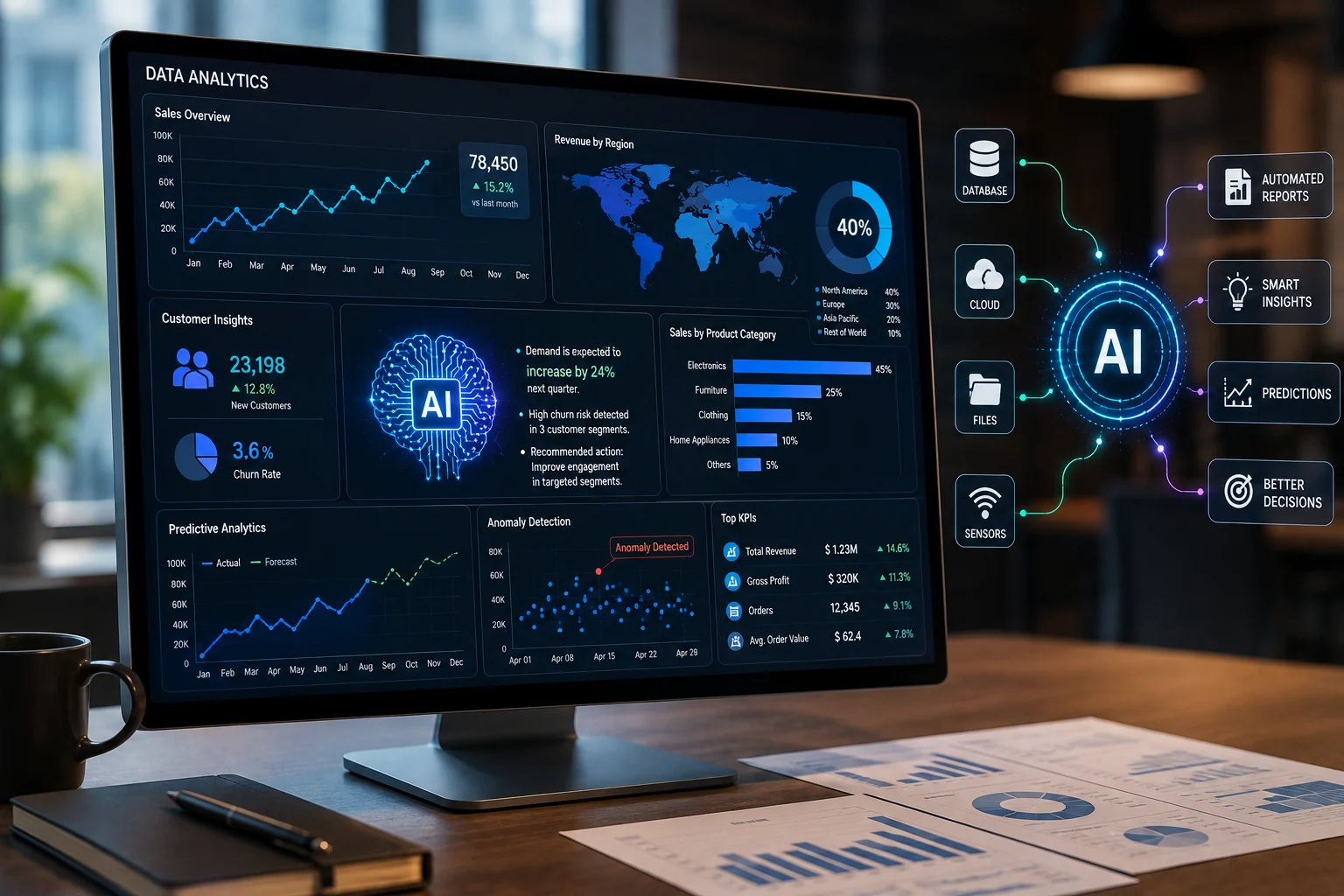
Operational decisions used to rely on reports that arrived hours or even days after events had already unfolded. Real-time analytics changes that dynamic by giving teams access to live information as situations develop. According to research from McKinsey, organizations that act on timely data are far more likely to outperform peers in operational efficiency and cost control. When leaders can see what is happening now, not what happened last week, decisions become more confident, faster, and easier to defend.
Modern businesses operate in environments where customer behavior, supply conditions, and internal performance shift constantly. Waiting for end of day summaries often means reacting too late. This is where live data visibility starts to shape better operational outcomes across teams.
Why operational decisions fail when data arrives too late
Delayed data creates blind spots. Teams may believe processes are running smoothly while problems are already compounding beneath the surface. By the time issues appear in a report, the cost of fixing them is often much higher.
Common consequences of late data include:
- Inventory shortages discovered after orders are missed
- Staffing gaps identified only after service levels drop
- Budget overruns noticed once spending is already locked in
- Conflicting decisions because teams work from different versions of the truth
These problems rarely stem from poor judgment. They usually come from acting on information that no longer reflects reality.
What real-time analytics actually means in day-to-day operations
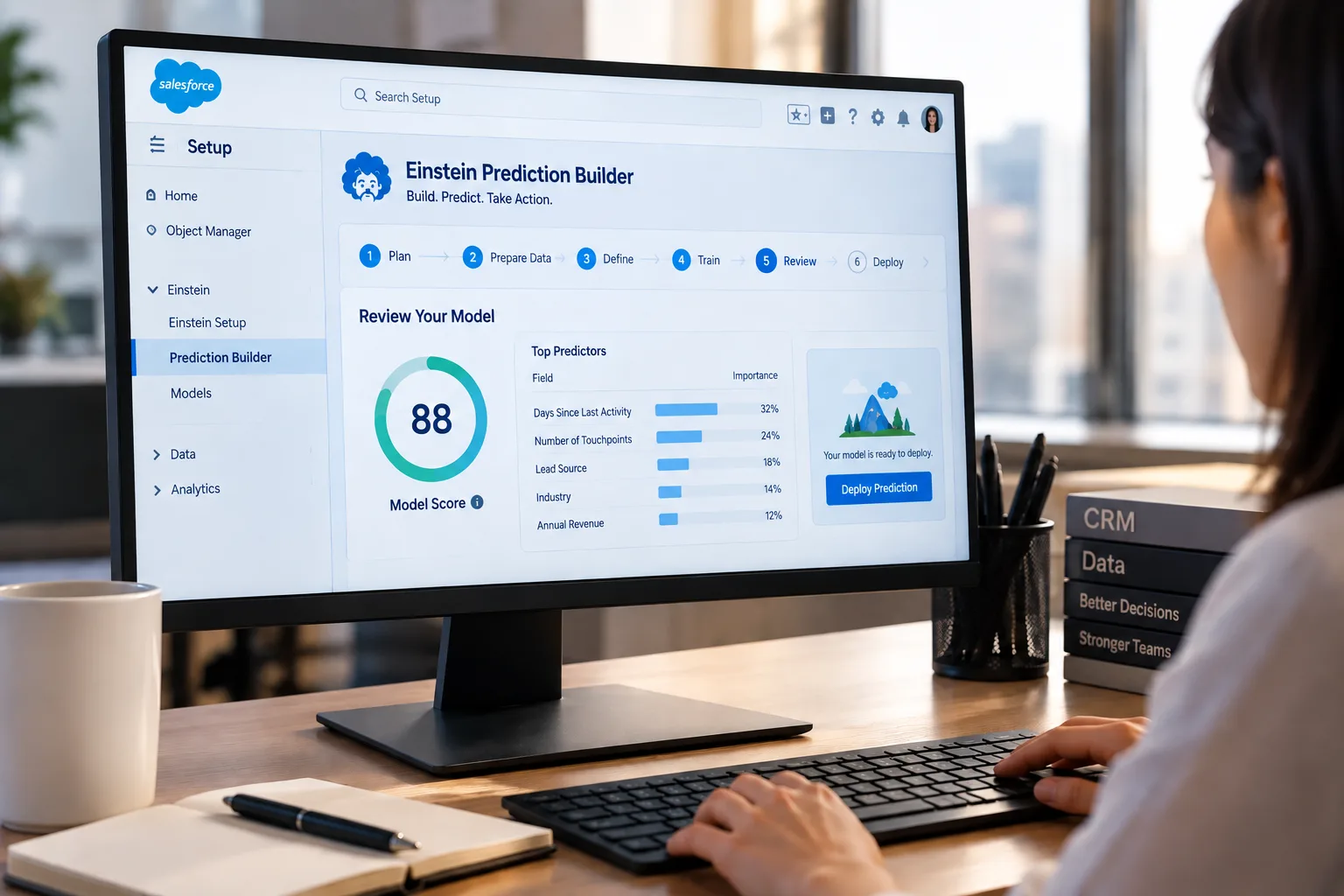
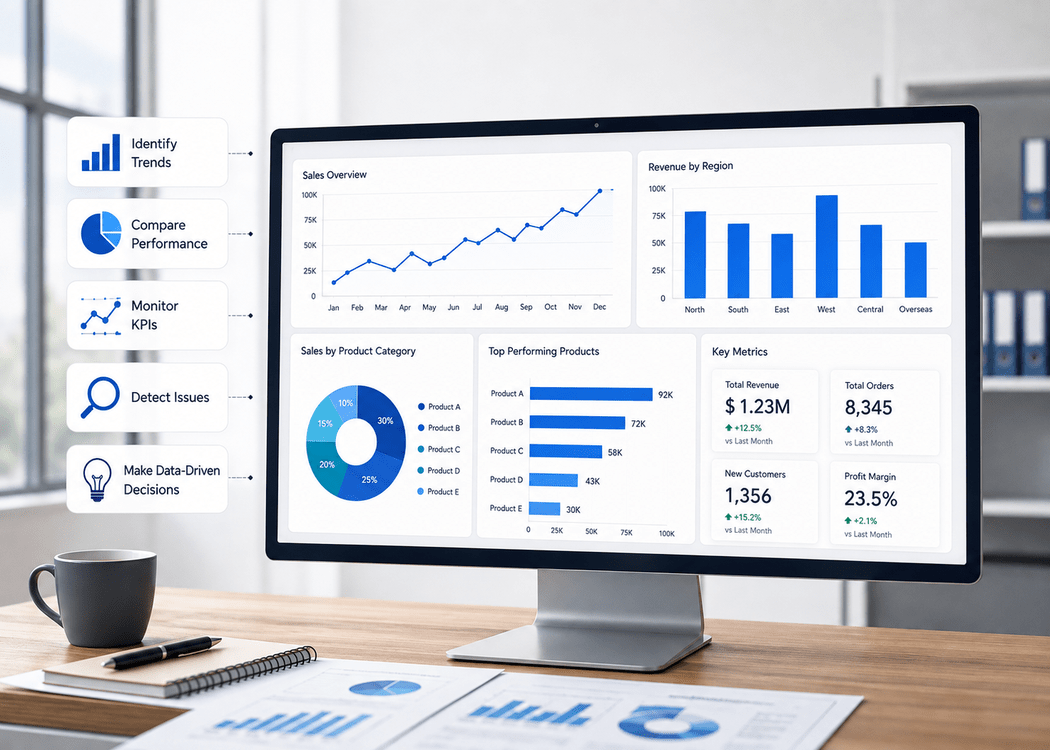
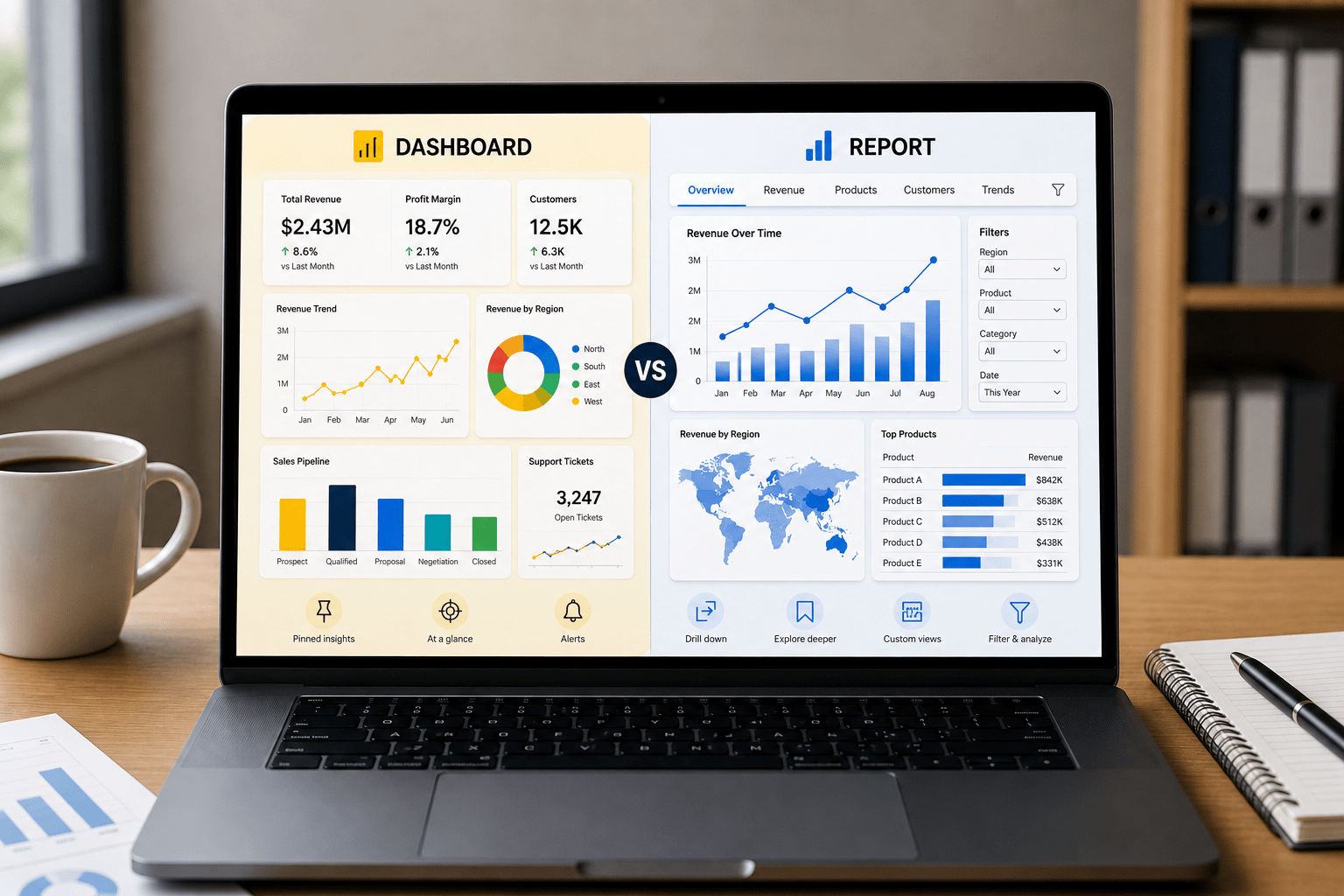
At its core, this approach is about continuously collecting, processing, and presenting data the moment it is generated. Instead of static spreadsheets, teams work with live dashboards, automated alerts, and constantly updated metrics.
In practical terms, this means:
- Systems pull data from operational tools as activity happens
- Metrics update automatically without manual refreshes
- Thresholds trigger alerts before issues escalate
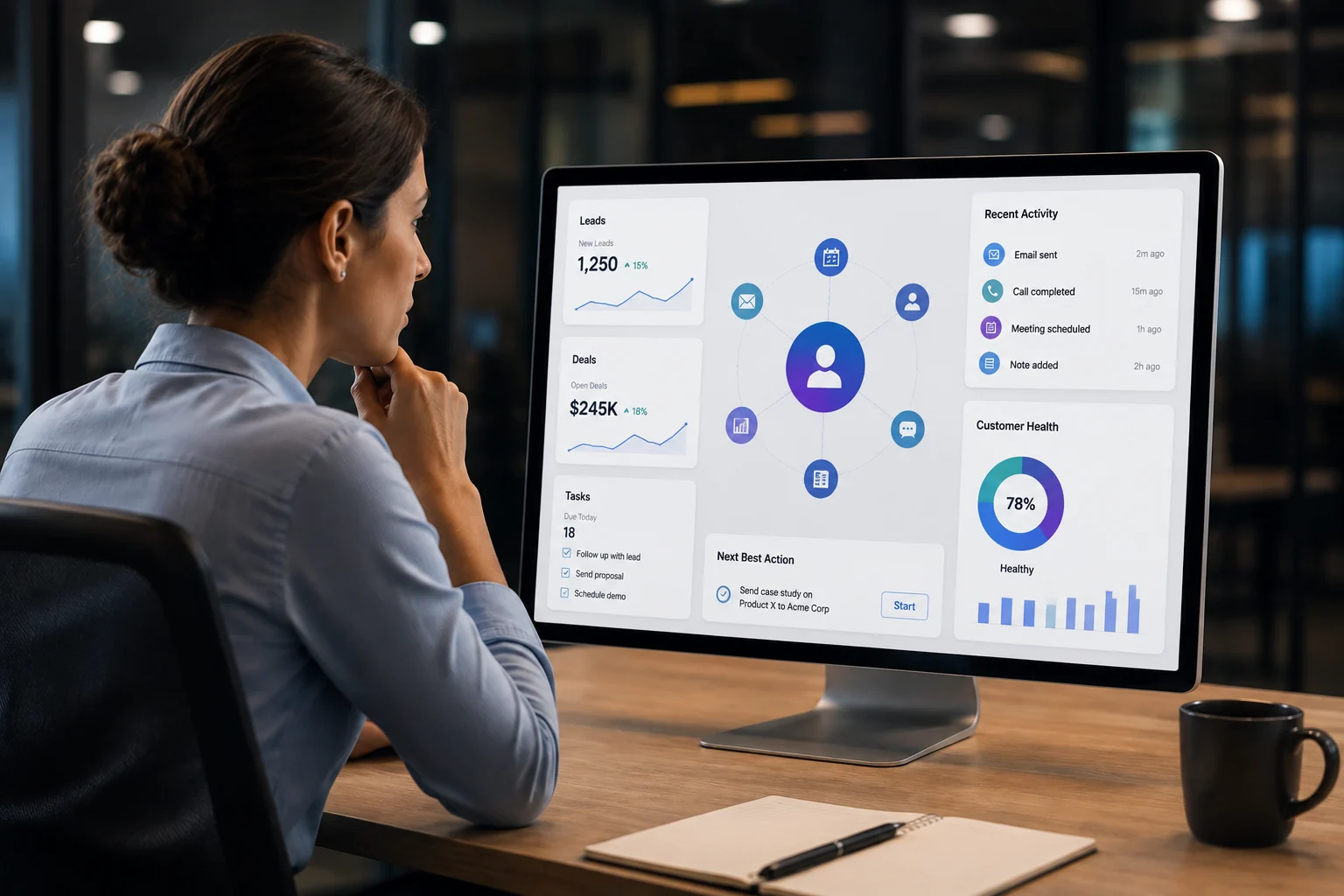
- Teams share a single, current view of performance
The goal is not more data. It is timely insight that supports immediate action.
How real-time analytics drives smarter operational choices across teams
When live insights are available, decision-making shifts from reactive to proactive. Different teams benefit in different ways, but the underlying advantage is shared visibility.
Operations teams can identify bottlenecks as they form rather than after delays pile up. Finance teams gain a clearer picture of cash flow movements and spending patterns throughout the day. Customer-facing teams can adjust responses based on current demand instead of historical averages. Leadership benefits from seeing the operational pulse without waiting for layered reports.
This shared awareness reduces guesswork. Decisions are based on what is happening, not assumptions about what might be happening.
Faster responses without sacrificing accuracy
Speed often raises concerns about errors. Acting quickly does not help if the data is unreliable. Well designed analytics systems balance speed with accuracy through automation and governance.
Key safeguards include:
- Automated data validation rules
- Consistent metric definitions across departments
- Centralized data models that reduce manual manipulation
- Role-based access that protects sensitive information
When these foundations are in place, teams can move faster without second-guessing the numbers behind their decisions.
Where live insights create measurable business impact
Organizations that rely on timely operational data often report tangible improvements across multiple areas. While results vary by industry, the patterns are consistent.
Many see:
- Lower downtime because issues are detected earlier
- Reduced operational waste from faster course correction
- Improved customer satisfaction due to quicker response times
- Better forecasting accuracy driven by current inputs
In manufacturing, logistics, retail, and service-based industries, even small time savings can translate into significant cost reductions over a year.
Common challenges businesses face when adopting this approach
Despite the benefits, adoption is rarely seamless. Businesses often encounter obstacles that slow progress or dilute results.
Typical challenges include disconnected data sources, unclear ownership of metrics, and teams overwhelmed by too many dashboards without clear priorities. Some organizations invest in tools before defining how insights should drive action, which leads to underused systems and frustration.
These challenges are not failures. They are signals that strategy and execution need to be aligned more closely.
How to approach real-time analytics with a clear operational goal
Successful adoption starts with questions, not software. Teams should first define the decisions they want to improve and the signals that support those decisions.
A practical approach includes:
- Identifying high-impact operational decisions
- Defining metrics that directly influence those decisions
- Designing workflows that connect insights to action
- Training teams to interpret and respond consistently
When insights are embedded into daily routines, data stops being a reporting exercise and becomes part of how work gets done.
Turning insights into action with the right analytics foundation
Many organizations reach a point where they see the value of live data but struggle to scale it across teams. This is where a structured analytics foundation makes the difference.
If you are looking to turn operational data into timely, actionable insight, explore how Data Analytics Services can support scalable reporting, reliable metrics, and decision focused dashboards that fit real business workflows.
How timely analytics supports long-term operational confidence
Beyond immediate gains, consistent access to current data builds long term confidence. Teams learn to trust what they see and rely less on intuition alone. Leaders gain clearer visibility into performance trends as they develop, not after outcomes are locked in.
Over time, this creates a culture of continuous improvement. Decisions become more aligned, accountability improves, and planning becomes more realistic because it is grounded in what the business is actually experiencing.
Conclusion
Smarter operational choices come from clarity, not complexity. When organizations base decisions on current conditions instead of delayed reports, they reduce risk and improve outcomes. By aligning data, teams, and workflows around timely insight, businesses can respond with confidence rather than urgency. For organizations working with OzaIntel, building this level of operational awareness is not about chasing trends. It is about creating a dependable foundation for better decisions every day.