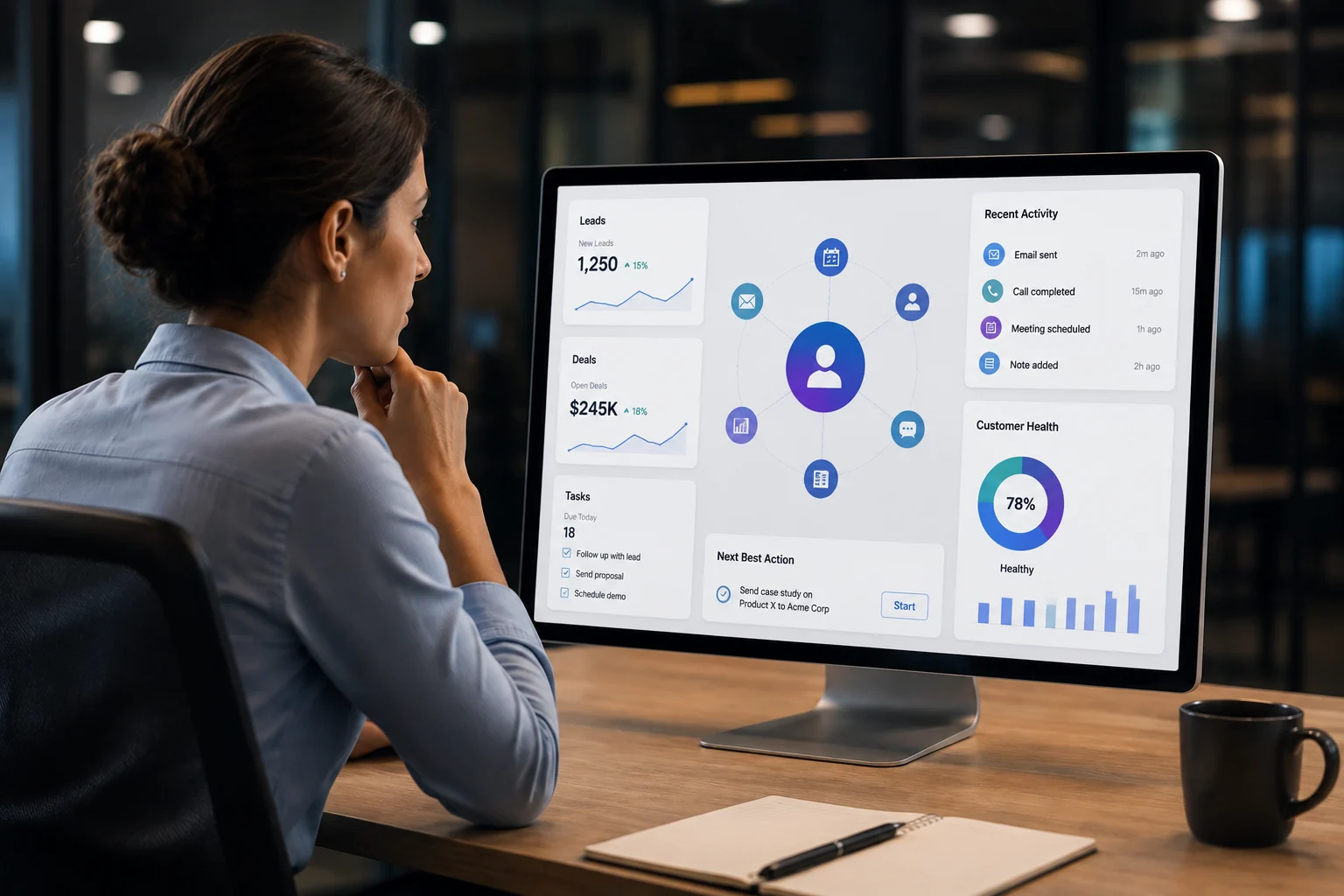
Enterprise decisions move fast, but most businesses still rely on reports that explain what has already happened instead of what is likely to happen next. That delay creates problems across operations, sales, customer retention, and forecasting.
Predictive analytics helps solve that problem by turning historical and real-time business data into forecasts and actionable insights through structured data analytics services that support faster enterprise decision-making.
Companies using predictive analytics are not simply collecting more data. They are using data to predict customer behavior, optimize resources, reduce uncertainty, and react before issues become expensive.
According to McKinsey, organizations that effectively use AI and advanced analytics are more likely to outperform competitors in both revenue growth and operational efficiency. That shift is one reason predictive analytics adoption continues to grow across industries.
What Predictive Analytics Actually Means for Enterprises
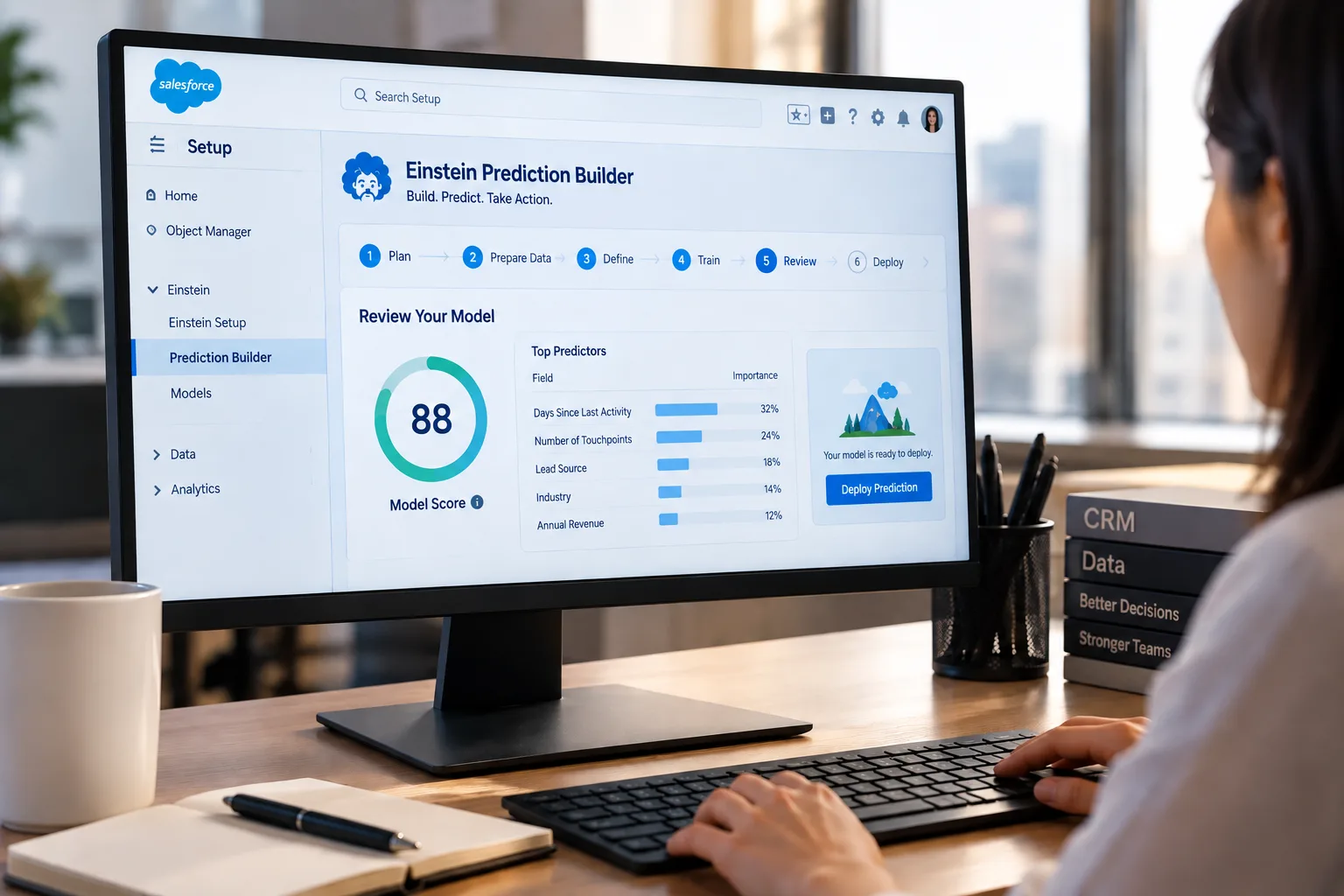
This approach helps enterprises reduce uncertainty while improving planning accuracy across departments using connected Salesforce CRM analytics consulting and predictive reporting systems.
Traditional business reports explain past performance:
- last quarter’s sales
- previous campaign results
- completed customer transactions
Predictive analytics focuses on what is likely to happen next:
- future demand
- customer churn risk
- equipment failures
- revenue trends
- operational bottlenecks
For enterprises, this changes how decisions are made.
Instead of reacting after problems appear, teams can identify patterns early and take action before the impact spreads.
For example:
- A retailer can forecast seasonal inventory demand before shortages occur.
- A financial institution can identify risky loan applications earlier.
- A SaaS company can detect customers likely to cancel subscriptions.
This approach helps enterprises reduce uncertainty while improving planning accuracy across departments.
Read Also: 7 Signs Your Company Needs a Data Analytics Consultant
Why Enterprises Are Investing More in Predictive Analytics
Business environments have become more complex over the last few years. Enterprises now manage larger volumes of customer data, operational systems, and market variables than ever before.
At the same time, leadership teams are expected to make faster decisions with fewer mistakes.
According to IDC, global spending on AI and analytics technologies continues to rise because enterprises are prioritizing automation, forecasting, and operational intelligence. Gartner has also reported that data-driven organizations consistently outperform competitors in decision speed and agility.
Several factors are driving this shift:
- Increasing operational complexity
- Growing customer expectations
- Supply chain uncertainty
- Rising competition
- Pressure to improve efficiency
- AI adoption across industries
Enterprises are realizing that traditional reporting alone cannot support modern business decisions at scale, especially as more organizations invest in AI and machine learning for forecasting and automation.
How Predictive Analytics Improves Enterprise Decision-Making
Better Demand Forecasting
Forecasting demand accurately has always been difficult, especially for enterprises operating across multiple regions, product categories, or customer segments.
Predictive analytics improves forecasting by identifying patterns hidden inside historical purchasing behavior, seasonal trends, and external variables.
Retail companies use predictive models to:
- forecast inventory demand
- reduce overstocking
- prevent stock shortages
- improve supply chain planning
Manufacturers use forecasting models to anticipate production needs before bottlenecks affect operations.
This allows enterprises to allocate resources more effectively while reducing waste and operational delays.
Faster and More Accurate Business Decisions
Many organizations still struggle with delayed reporting cycles.
By the time leadership receives reports, the situation has often already changed.
Predictive analytics shortens that gap by providing real-time insights and future projections instead of static historical summaries.
This improves:
- executive decision-making
- operational visibility
- financial planning
- market responsiveness
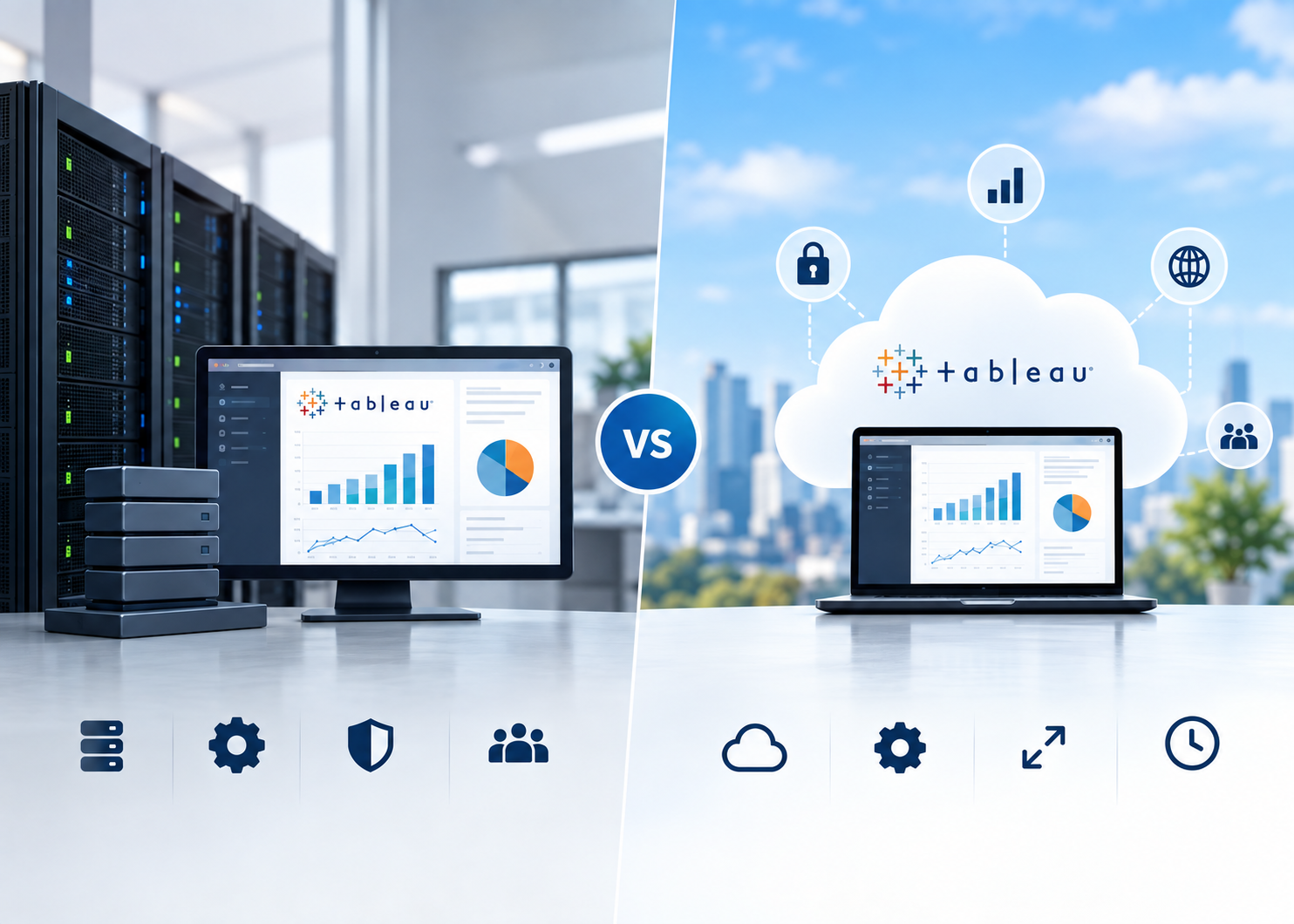
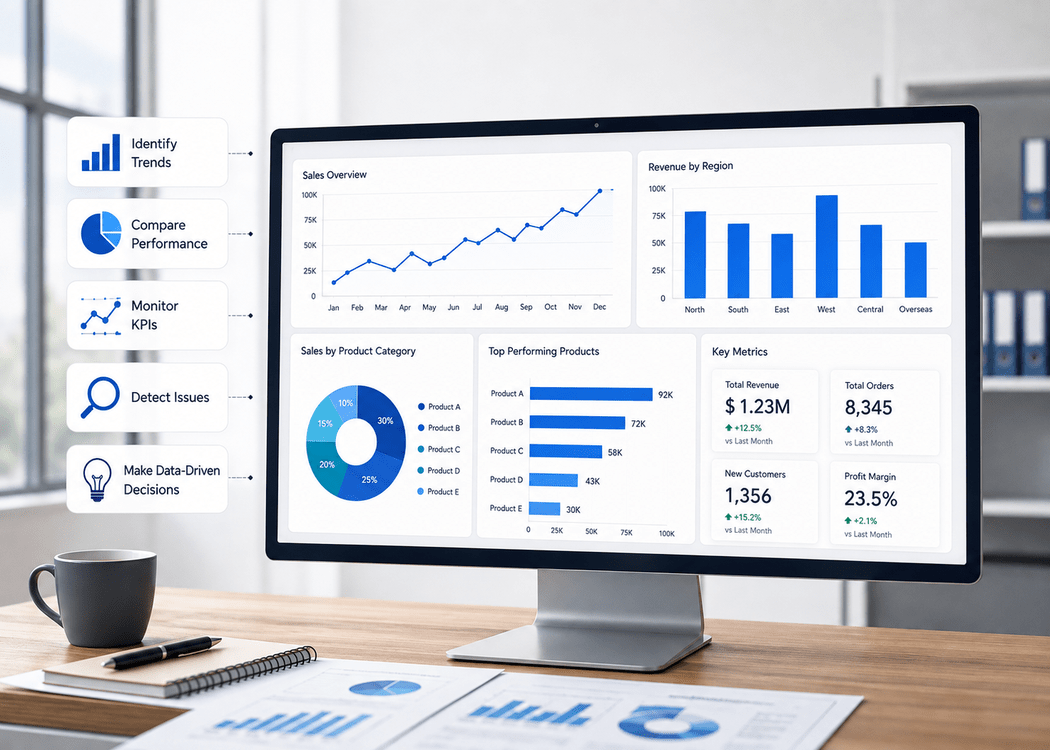
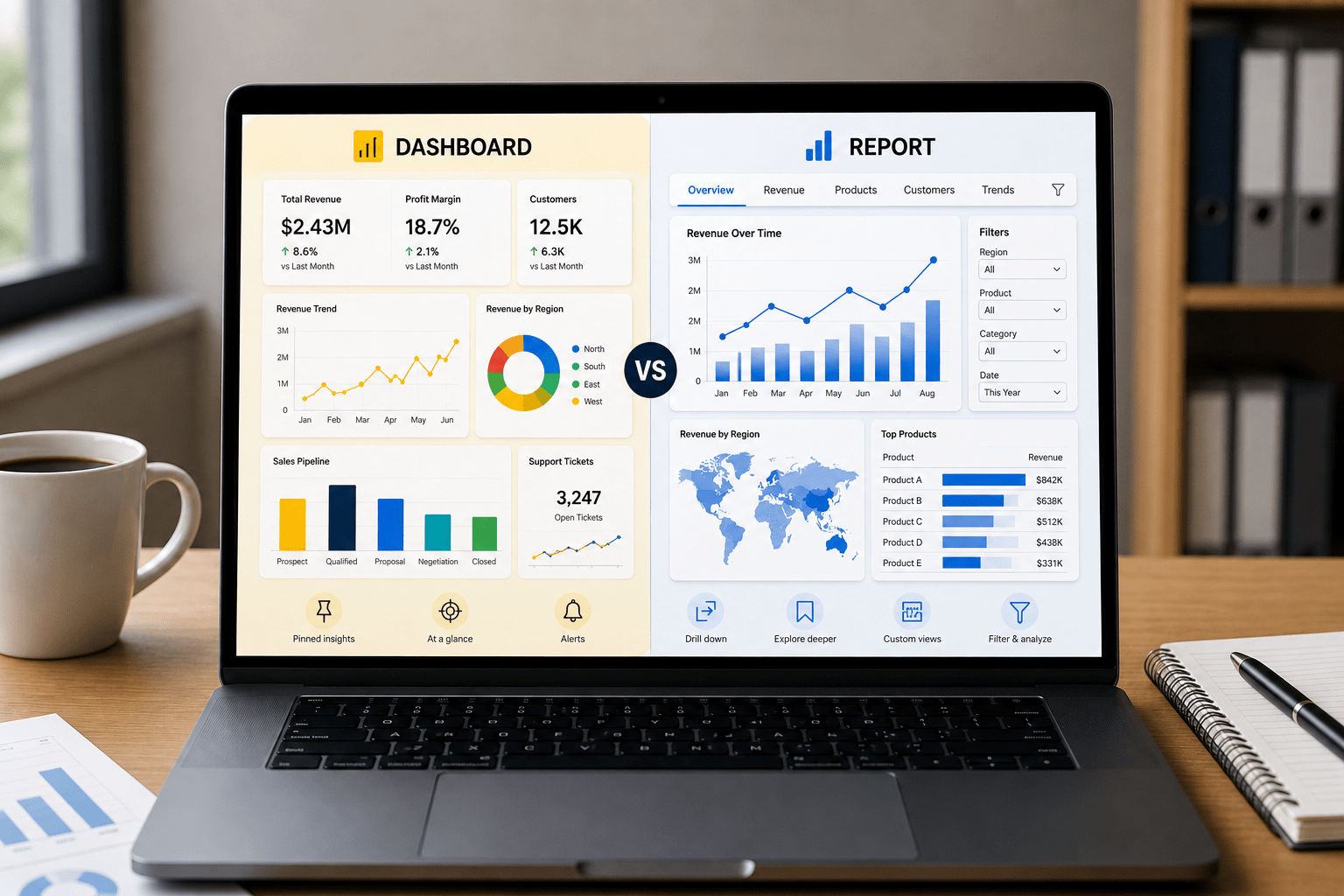
Teams spend less time debating data accuracy and more time acting on insights through centralized Tableau dashboards and analytics solutions that improve visibility across departments.
Instead of relying heavily on assumptions, leaders can evaluate likely outcomes before making major decisions.
Early Risk Detection
Risk management is one of the strongest use cases for predictive analytics.
Enterprises face risks from:
- fraud
- supply chain disruptions
- market fluctuations
- operational failures
- customer churn
Predictive models help identify warning signs earlier.
Banks use predictive analytics to detect suspicious financial behavior before fraud escalates.
Supply chain teams use forecasting models to anticipate delays caused by weather, logistics issues, or supplier instability.
Manufacturing businesses use predictive maintenance systems and Salesforce Einstein prediction models to identify operational risks before machinery failures affect production.
The earlier a risk is identified, the easier and less expensive it becomes to manage.
Improved Customer Retention
Customer acquisition costs continue to increase across industries, making retention more important than ever.
Predictive analytics helps enterprises understand:
- customer behavior
- engagement patterns
- purchase trends
- churn signals
Businesses can identify customers who are likely to leave before they actually do.
Telecom providers, SaaS companies, and eCommerce brands often use predictive models to:
- launch retention campaigns
- personalize offers
- improve support experiences
- strengthen customer engagement
This creates more relevant customer interactions while improving long-term customer value.
Smarter Resource Allocation
Enterprises often waste resources because decisions are made without clear visibility into operational priorities.
Predictive analytics improves resource planning by helping businesses understand:
- where budgets are underperforming
- which channels drive results
- where staffing shortages may occur
- which operations require optimization
Marketing teams can forecast campaign performance before increasing ad spend.
HR departments can predict employee turnover risks and improve workforce planning.
Finance teams can identify spending inefficiencies earlier.
This leads to better operational control and more efficient business growth.
Real Predictive Analytics Use Cases by Industry
Healthcare
Healthcare organizations use predictive analytics to:
- predict patient risks
- optimize treatment plans
- forecast hospital capacity
- reduce readmission rates
Hospitals also use predictive models to improve staffing efficiency and resource allocation.
Retail
Retail businesses rely heavily on predictive analytics for:
- demand forecasting
- inventory management
- customer personalization
- pricing optimization
Predictive insights help retailers respond faster to changing buying behavior.
Manufacturing
Manufacturers use predictive analytics to:
- reduce equipment downtime
- forecast maintenance needs
- improve production efficiency
- optimize supply chains
Predictive maintenance alone can save enterprises significant operational costs.
Financial Services
Financial institutions apply predictive analytics for:
- fraud prevention
- credit scoring
- investment forecasting
- transaction monitoring
Predictive models help financial organizations reduce risk exposure while improving decision accuracy.
Common Challenges Enterprises Face With Predictive Analytics
Although predictive analytics offers significant value, implementation challenges are common.
The biggest issue is usually data quality.
Many enterprises operate with:
- disconnected systems
- inconsistent reporting
- incomplete datasets
- outdated infrastructure
Poor data quality produces unreliable predictions.
Another common challenge is the lack of internal expertise, which is why many enterprises choose to hire experienced data analytics professionals to support predictive modeling and reporting initiatives.
Some organizations also struggle because they focus too heavily on tools instead of business goals.
Predictive analytics works best when it is connected directly to operational and strategic decision-making.
What Enterprises Need Before Implementing Predictive Analytics
Successful predictive analytics initiatives usually begin with a strong data foundation.
Enterprises should focus on:
- centralized data systems
- consistent reporting standards
- clean and structured datasets
- clear business objectives
- reliable analytics infrastructure
Without these elements, predictive models become difficult to trust.
Implementation should start with solving specific business problems instead of adopting analytics tools without a clear strategy or long-term advanced analytics roadmap.
That approach produces better long-term results and higher adoption across teams.
Predictive Analytics vs Traditional Business Reporting
Traditional reporting explains what has already happened.
Predictive analytics estimates what is likely to happen next.
For example:
Traditional reporting:
- last month’s sales performance
- completed customer transactions
- previous operational metrics
Predictive analytics:
- future sales forecasts
- customer churn probability
- expected operational risks
- projected inventory demand
This difference changes how enterprises plan and respond to business conditions.
Instead of reacting after outcomes occur, predictive analytics supports proactive decision-making.
Read Also: How To Choose The Right Data Analytics & Integration Tools
Signs Your Business Is Ready for Predictive Analytics
Many enterprises reach a point where traditional reporting no longer supports business growth effectively.
Common signs include:
- increasing data complexity
- inconsistent reporting across departments
- slow decision-making
- manual forecasting processes
- operational inefficiencies
- rising customer churn
- growing demand for AI-driven insights
When these issues begin affecting performance, predictive analytics often becomes a necessary next step rather than an optional investment.
Your Business Data Should Help You Decide Faster
Most enterprises already collect large amounts of data, but disconnected systems, slow reporting, and unclear insights make decision-making harder than it should be. OzaIntel helps businesses build predictive analytics systems that improve forecasting, reduce operational risks, and turn raw data into actionable insights teams can actually use across sales, operations, customer experience, and strategic planning.
Conclusion
Predictive analytics helps enterprises make faster, more informed decisions by turning business data into forward-looking insights.
From forecasting demand and reducing operational risks to improving customer retention and optimizing resources, predictive analytics supports smarter planning across every stage of business operations.
As enterprises continue managing larger volumes of data and increasing operational complexity, the ability to anticipate outcomes becomes a major competitive advantage.
Organizations that invest in predictive analytics are not simply improving reporting. They are building systems that help leadership act earlier, reduce uncertainty, and make decisions with greater confidence.
Companies like OzaIntel help enterprises transform raw business data into predictive insights that support long-term growth, operational efficiency, and stronger decision-making across teams.